

Your Home is Your Second Body: Why Clutter Causes Anxiety 🏡
The biological reason you can't relax in a messy room, and how to clear your physical space to heal your mind.

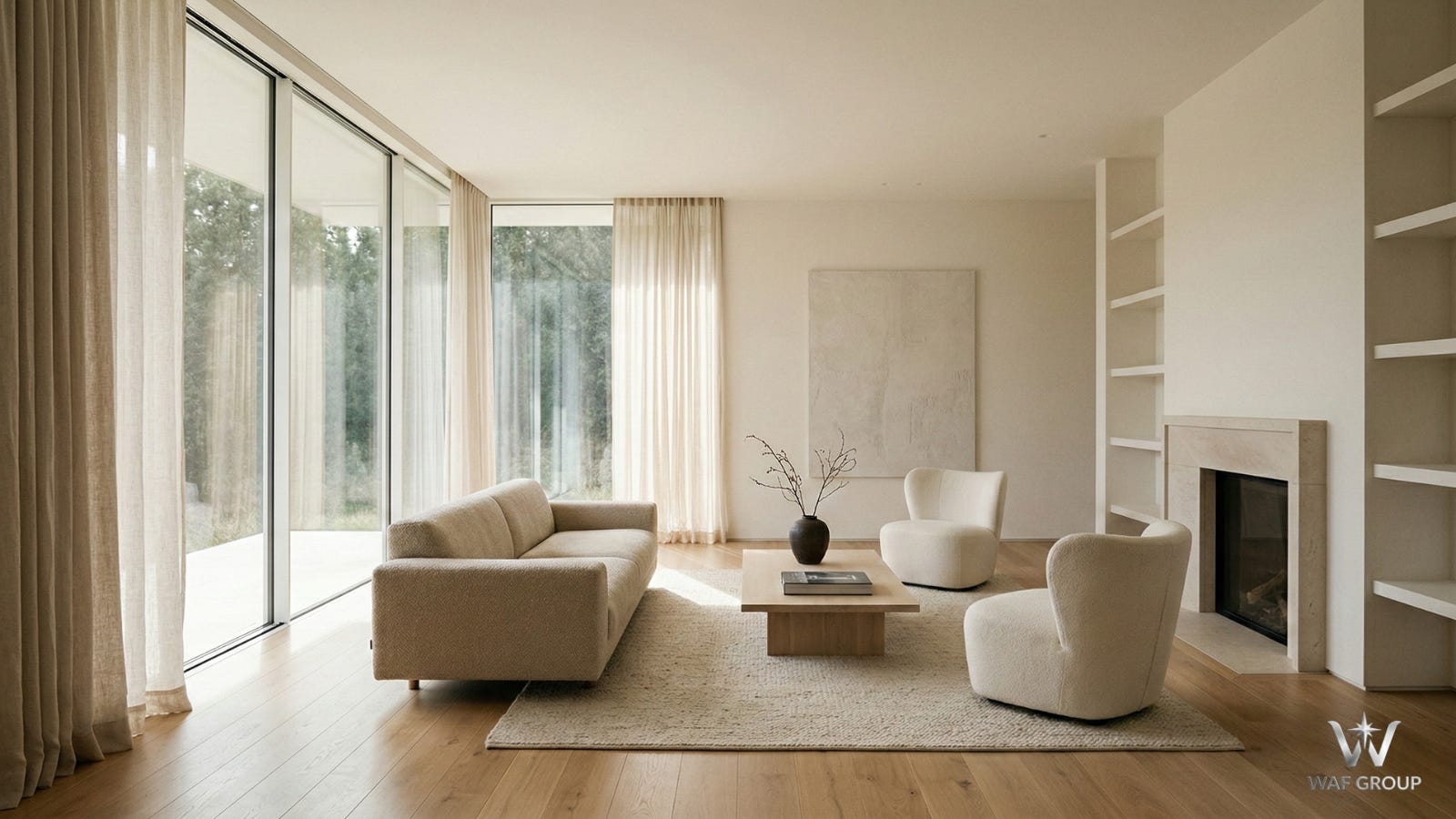
Note: 🌿 This essay is part of the Eco & Environment series by IWPA, exploring the profound connection between your physical space and your mental health.
Have you ever walked into a room in your house and immediately felt a wave of exhaustion?
You haven’t done any physical work yet. You simply looked around, and your energy dropped. We often blame ourselves for this feeling. We think we are just tired or lazy.
But at IWPA, we look at the biology of behavior. And the science of spatial psychology tells us a different story: You are not tired. Your brain is overwhelmed by visual noise.
We believe that your physical home is your Second Body. And just as junk food causes inflammation in your physical body, clutter causes inflammation in your psychological body.
The Biology of Clutter 🧠
To understand why a messy room makes you anxious, you have to understand how your brain processes visual information.
Your brain is a prediction machine. When it scans a clean, orderly room, it easily processes the geometry of the space. It says: “Everything is in its place. I am safe. I can power down and rest.”
When your brain scans a cluttered room—piles of mail, clothes on a chair, too many objects on a shelf—it doesn’t just see “things.” It sees unfinished tasks.
Every object out of place acts like an open tab in your computer’s browser.
“I need to pay that bill.” * “I need to wash that shirt.” * “I need to figure out where to put that box.”
This constant background processing drains your cognitive battery. Furthermore, visual clutter spikes the production of cortisol (the stress hormone). You physically cannot reach a state of deep rest in a high-cortisol environment.
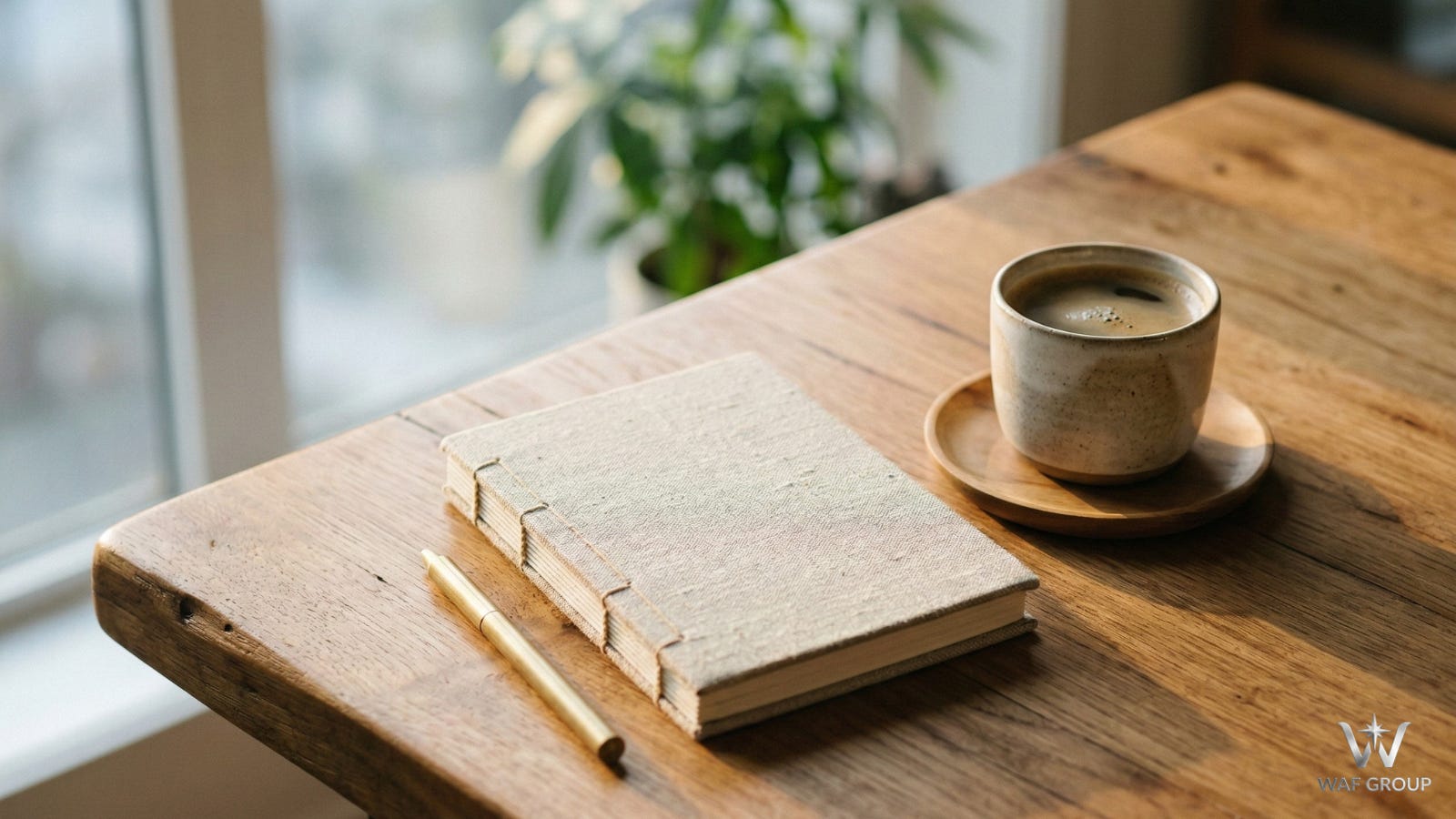
The “Second Body” Protocol
If your home is your Second Body, then decluttering is not a chore. It is a profound act of self-care and emotional hygiene.
When you throw away an old, broken item, you are not just organizing a drawer. You are closing an “open tab” in your brain. You are reclaiming your psychological bandwidth.
Here is the IWPA protocol to stop the overwhelm and start clearing your space today, without burning out:
1. The 15-Minute “Visual Reset” Do not try to clean the whole house in one day. That leads to paralysis. Instead, choose one flat surface that you look at the most (your desk, your kitchen island, or your nightstand). Set a timer for 15 minutes and clear it completely. Leave it empty. Let your eyes rest on the negative space.
2. The “Future Self” Filter When deciding whether to keep an object, do not ask: “Might I need this someday?” Fear will always answer “Yes.” Instead, ask: “Does this object support the life my Future Self wants to live?” If it belongs to a past version of you that you have outgrown, let it go.
3. Respect the Empty Space We are conditioned to fill every empty corner with furniture or decor. Learn to tolerate and appreciate empty space. Empty physical space translates to breathing room for your nervous system.

Clear Space, Clear Mind
You cannot build a soft, peaceful life in a loud, chaotic environment. By clearing your physical space, you are signaling to your nervous system that the war is over. You are safe. You can finally rest.
Treat your second body with respect. — The IWPA Editorial Board
🎁 Tools for Your Inner and Outer Space
If you are ready to declutter not just your home, but your mind and your goals, we have the tools you need.
Download our foundational guides from the Starter Library (Free for the Family):
The Internal Audit: 10 diagnostic questions to clear the mental clutter and reconnect with your core.
Strategic Life Design: A framework to organize your goals and eliminate the noise from your schedule.
(Clear the noise. Build your architecture).