

Where the Storm Cannot Reach: Finding Absolute Stillness in a World on Edge.

Have you noticed a strange phenomenon lately? More and more of us are waking up already exhausted.

You might spend your entire day in a perfectly safe, quiet room. You haven’t engaged in grueling physical labor or faced any immediate danger. Yet, by evening, your body aches as if you’ve been carrying a concrete slab on your shoulders. Your heart beats just a fraction too fast, your breathing is shallow, and somewhere deep in your solar plexus, a tightly coiled string hums with relentless tension.
We tend to blame this on a lack of sleep, getting older, or simply the weather. But the truth is, we are buckling under the colossal atmospheric pressure of the modern world. We live in an era of a perpetual information storm. You pick up your phone, and an avalanche crashes over you: other people’s panic, global crises, urgent demands, and grim forecasts.
To understand exactly where our vital energy drains—and how to finally stop it—let me tell you a story.
Imagine a boundless ocean in the grip of a ferocious hurricane. The sky turns pitch black, merging with the turbulent water. Gale-force winds knock you off your feet; waves the size of high-rise buildings crash into each other with a deafening roar. The surface of the ocean is pure chaos, white foam, and blind fury. If you were up there, tossed about in a fragile little boat, you would swear it was the end of the world. It feels like this roaring terror is the only reality there is.
But water holds a magnificent secret.
If, in the very epicenter of this apocalyptic storm, you were to put on a heavy diving suit, step off the boat, and sink just a hundred feet below the surface… you would enter an entirely different universe.
Down there, beneath the crushing weight of the water, there is no storm.
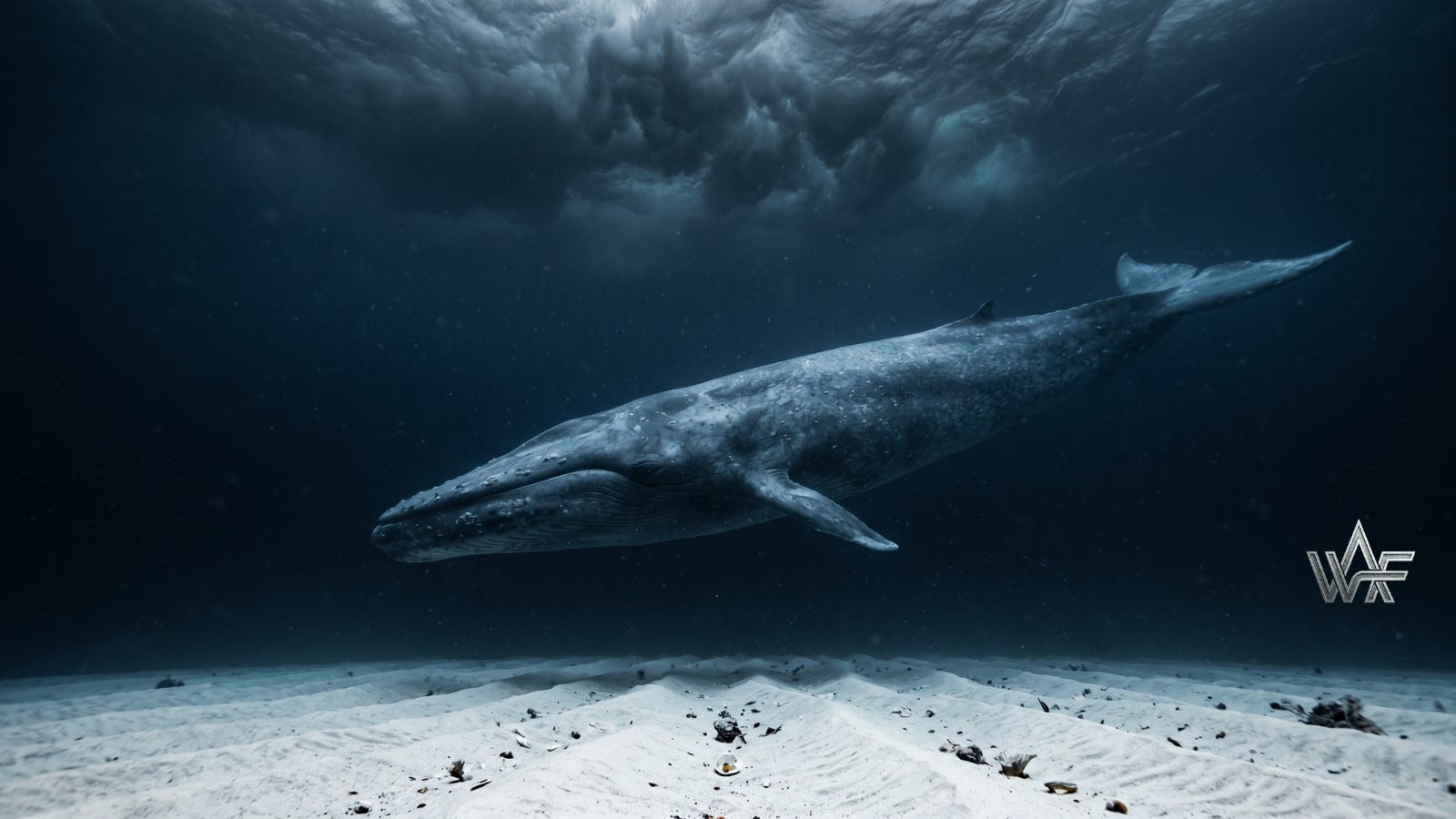
The deafening roar of the breaking waves cannot penetrate the deep. There is only absolute, monumental, ancient silence. In this blessed twilight, blue whales glide with slow, majestic grace. The water is heavy and perfectly still. The pristine white sand on the ocean floor lies completely undisturbed—all the fury raging above cannot move a single grain of it down here.
The depths of the ocean do not care what happens on the surface.
Our minds are designed exactly like this ocean.
The surface storm is our daily anxiety: the endless news feeds, the trivial hustle, the opinions of others, and global uncertainties. The greatest tragedy of the modern human is that we have voluntarily chosen to live at the exact point where the violent wind meets the water.
When the world starts to spin out of control, we make a fatal mistake: we try to calm the waves with our bare hands. We argue in comment sections, we endlessly doomscroll seeking a sliver of certainty, and we desperately try to control the uncontrollable. We scream at the hurricane, demanding it to stop. This invisible, futile battle drains us to the marrow.
But you cannot stop a storm with your bare hands. And the truth is, you don’t have to. All you need to do is remember how to dive.
Right beneath your daily layer of anxiety lies your own personal “Depth.” It is an internal core, a sanctuary of absolute stillness that no external crisis can ever touch.
How do you stop thrashing on the surface and sink into your depth today?
When you feel panic rising in your throat and exhaustion knocking you down, take three simple steps “downward”:
1. Starve the Wind (Disconnect from the Storm) You cannot sink into the calm if you keep popping your head above water every five minutes to see if the storm has passed. The waves feed on your attention. How to dive: Establish an unbreakable boundary. For the first hour after waking and the last hour before sleep, your screens do not exist. No news, no scrolling through other people’s lives. Brew your coffee or tea in total silence. Look out the window. Give yourself the luxury of quiet. Let the water settle. This is the heavy weight belt that will help you begin your descent.
2. Drop a Lead Anchor (Return to Your Body) Anxiety always lives on the surface: it tosses us into fears of the future or regrets about the past. Down in the deep, the only time that exists is now. When you are overwhelmed, your mind needs a heavy anchor to sink. That anchor is your physical body. How to dive: Pause. Feel the actual physical weight of your body. Notice how your feet press firmly against the floor. Touch the table in front of you; notice its texture. Take a slow, deep breath into your stomach, and exhale even slower. In that exact moment, you send a profound physiological signal to your nervous system: “Right now, in this exact second, in this very room, I am completely safe.”
3. Draw Your Circle of Control (Claim Your Territory) When you are in the deep, you cannot command the hurricane. But you can command yourself. Trying to save the whole world at once only leaves us paralyzed and helpless. How to dive: Ask yourself: “What is entirely in my hands at this very second?” You might not be able to fix the global economy. But you can hug your child. You can organize your desk. You can cook a nourishing dinner. Channel 100% of your focus into the small, tangible piece of reality that you can control. Take one simple, constructive action—and you will feel your true power return.

There will always be storms on the surface. The world will always be loud, demanding, terrifying, and unpredictable. That is its nature.
But you are not just a fragile little boat being tossed around by the waves. You are the entire, boundless Ocean.
Whenever it feels like the ground is slipping from beneath your feet, simply close your eyes, take a deep breath, and remember: deep inside you, there is always a place of unshakable silence.
Dive into it. Rest. And then, return to the surface to do what you must. Calmly, with dignity, and with a profound understanding of your own depth.
— The Editorial Board, Institute of Wellness & Performance Architecture (IWPA)