

The Neurobiology of Wasted Potential: Why Smart People Fail Without Structure
The thermodynamics of high performance and how to engineer a breakthrough.

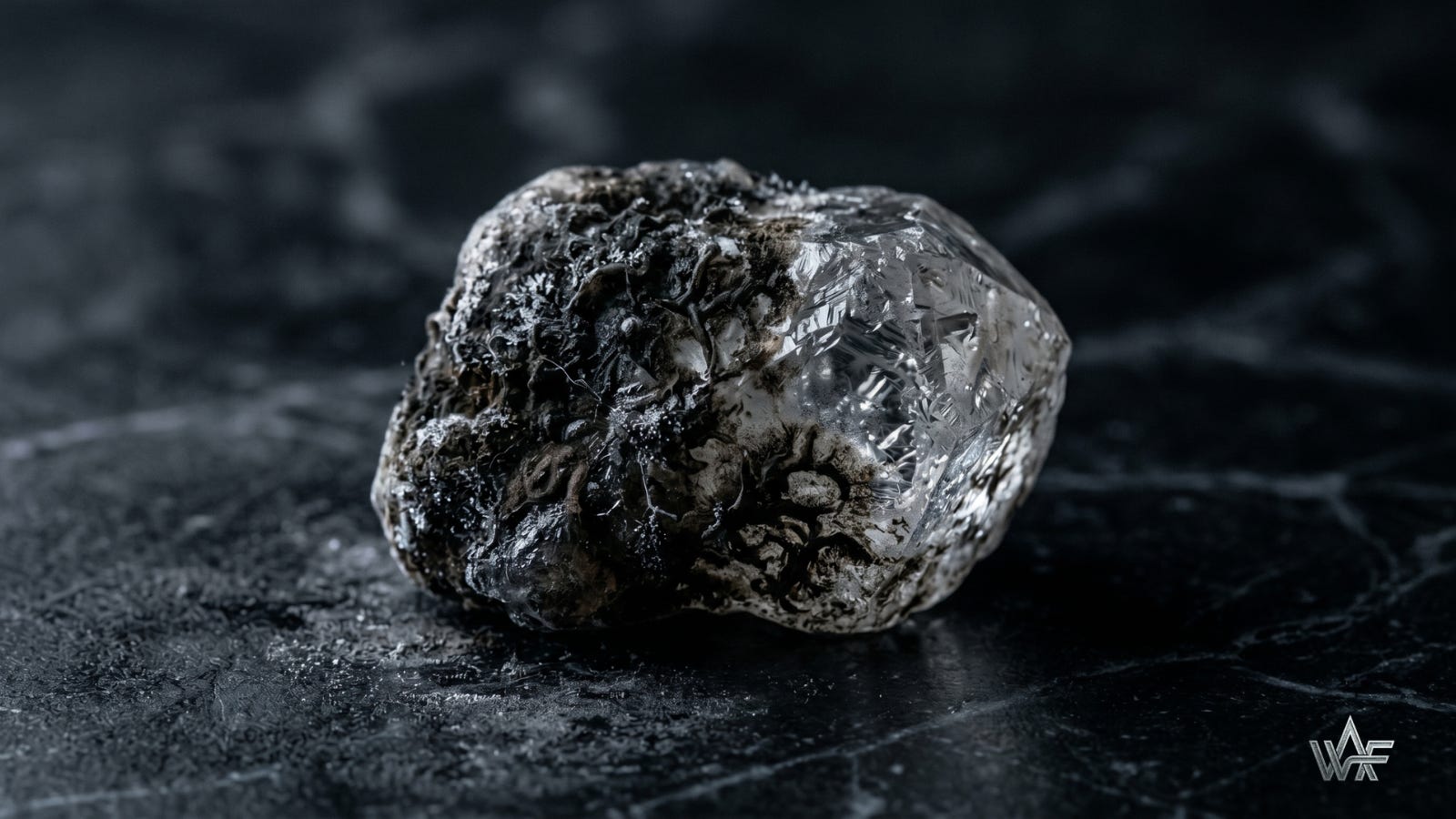
Modern culture has committed a profound offense against ambitious minds by propagating the illusion that talent possesses its own gravity. Millions of gifted individuals remain at the bottom of the financial and social hierarchy, paralyzed by the belief that their abilities will eventually “pave the way.” In objective reality, talent is not an asset. It is merely potential energy. And without architecture, it is absolutely useless.
1. The Neurobiology of Unfulfillment:
The greatest trap for a gifted mind is the wait for “inspiration.” In the physiology of higher nervous activity, what the masses call inspiration is nothing more than a cheap hormonal spike—a random fluctuation of dopamine.
Talented individuals trapped in the grey mass are addicted to the dopamine hit of the “perfect moment.” They wait for the right mood, the right circumstances, or an “epiphany” to begin their work. This learned biological helplessness causes the prefrontal cortex (the center of will and structure) to atrophy, surrendering control to primitive pleasure centers. To wait for inspiration is to admit cognitive bankruptcy and abdicate control over one’s own trajectory.

2. The Thermodynamics of Talent:
Let us look at fundamental physics. Talent is potential energy (Ep). It is simply a mass of capability elevated to a certain height by genetics. But potential energy performs no work. It merely exists, and over time, it dissipates.
To alter reality, potential energy must be converted into the kinetic energy of results (Ek). This conversion is impossible without structural friction, pressure, and a directed vector. Your talent is rotting because you are attempting to deploy it in a vacuum, avoiding the very constraints that generate kinetic force. A true breakthrough is always a closed thermodynamic system, never a free flight.

3. The Forest Fire vs. The Nuclear Reactor:
Consider the difference between a forest fire and a nuclear reactor. Both processes release colossal amounts of energy.
Talent fueled by “inspiration” is a forest fire. It is a chaotic, uncontained release of energy that scorches everything in its path for a few days, leaving behind only scorched earth, burnout, and the ash of depression.
Discipline is a nuclear reactor. The boiling uranium plasma of talent is encased within thick lead and concrete walls of routine. A reactor does not depend on the weather or its mood. Under immense pressure, it methodically converts potential into pure energy, capable of powering entire cities for decades. Without the heavy lead casing of strict limitations, your own energy will simply destroy you.
4. The Engineering Solution: The Conversion Protocol:
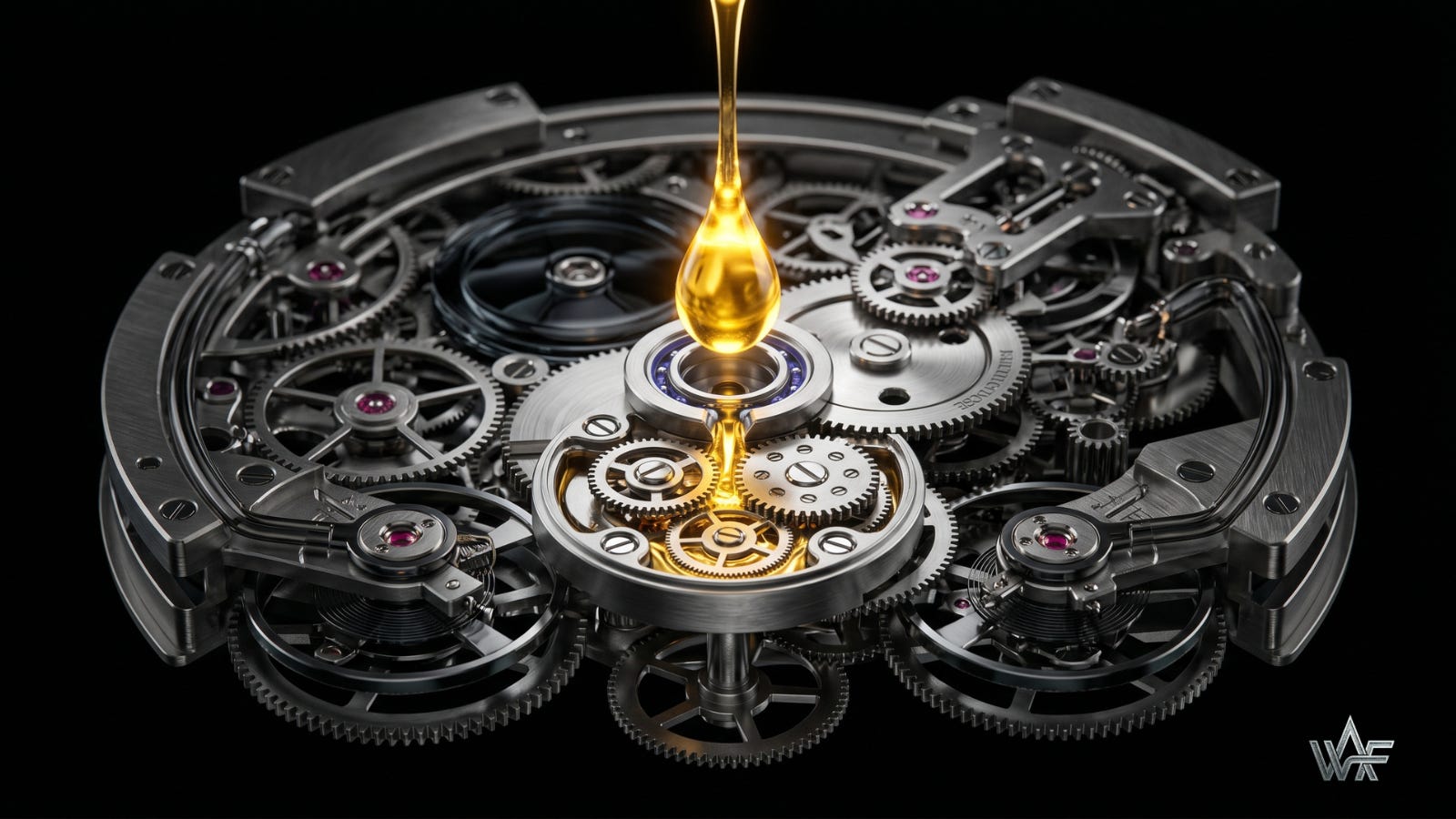
To transcend the status of merely “promising” and step into the realm of a creator, you must implement the Conversion Protocol:
Step 1: Dismantling the Muse (Zero Tolerance for Mood). You must sever the neural link between your emotional state and your output. Assign rigid time blocks for deep work and execute them in a state of absolute internal coldness. The highest form of professionalism is the ability to produce a benchmark result at zero levels of inspiration.
Step 2: Constructing the Lead Casing. Talent despises boundaries, yet boundaries are precisely what force it to work. Institute artificial deadlines, severe resource constraints, and absolute isolation from distractions. The structure must be so dense that your energy has only one possible exit: the result.
Step 3: Controlled Decay (Synchronization). Abandon heroic sprints and sleepless nights. A nuclear reactor does not operate in “sprint” mode. Calibrate your system for steady, methodical, daily pressure. The power of a system is not determined by its peak flash, but by its capacity to sustain a heavy load over a long distance.
Stop taking pride in your unfulfilled potential. Talent without discipline is simply a highly aesthetic form of laziness.
— The Editorial Board, Institute of Wellness & Performance Architecture (IWPA)