

The Illusion of the Obvious
Why We Look at the Same World but See Entirely Different Realities


Have you ever found yourself locked in an exhausting argument with a loved one, a colleague, or a partner, feeling an overwhelming sense of despair? You lay out ironclad logic, you explain the most glaringly obvious facts, yet the person across from you stares back with blank eyes and says something that sounds like pure, unfiltered absurdity.
In those moments, a single thought pulses in your mind: “How can you possibly not understand this? Are you doing this on purpose?”
This very illusion of “the obvious” is exactly why marriages collapse, business empires fracture, and decades-long cold wars begin. We genuinely believe the other person is simply being stubborn or willfully blind. But before you step onto the battlefield of yet another exhausting argument, let me show you how the architecture of our minds actually works.
Imagine that you and a hundred other people are invited into a grand, dimly lit cinema. You sink into a plush velvet seat, the lights fade, and a silent film begins to play on the massive screen. You watch a completely neutral scene: a man is running down a dark street, constantly looking over his shoulder.
But there is one crucial detail: at the entrance, every single viewer was handed a pair of wireless headphones.

In your headphones, a terrifying, suspenseful thriller score is playing. You watch the screen, and your chest tightens—you know this man is running from a killer. He is terrified; his life is in mortal danger.
However, the viewer sitting to your right has an upbeat, fast-paced comedy track playing in their ears. They watch the exact same running man and chuckle, absolutely certain that the protagonist is just comically late for a romantic date.
Meanwhile, the viewer to your left hears a triumphant, swelling brass march. They are convinced they are watching a fearless secret agent sprinting to save the world.
The movie ends. The lights come up, you all step into the lobby, and that is where the catastrophe begins.
You say, “What a psychological nightmare!” Your neighbor scoffs, “Are you out of your mind? That was a lighthearted comedy!” The third person shouts, “You are both completely blind! That was a classic action film!”
Voices rise. Insults are thrown. You genuinely start to resent each other for such profound “blindness.” Yet, the undeniable truth is this: the footage on the screen was completely identical for everyone. The only thing that differed was the soundtrack.
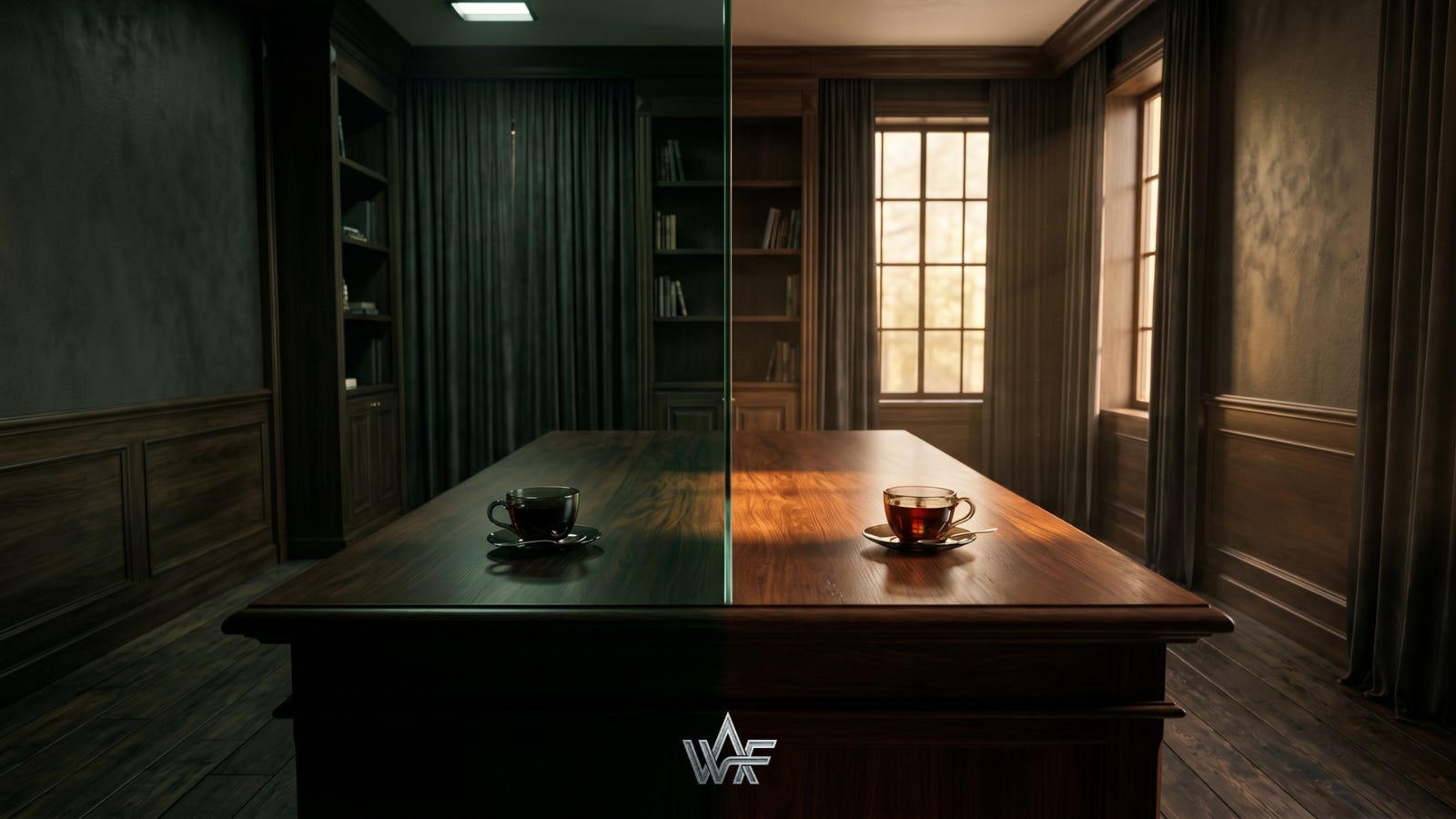
The exact same mechanism governs our real lives. We mistakenly believe that our eyes and ears are objective video cameras recording absolute reality. They are not. Our brain is a masterful, unseen director that instantly and automatically layers a custom “soundtrack” over every single second of our existence.
And this soundtrack isn’t composed in the present moment. It is stitched together from your past experiences, your invisible scars, your childhood echoes, and even how profoundly exhausted you felt waking up this morning.
Where one person hears “cold indifference” in a partner’s words, the other intended “respect for personal space.” Where one person reads a “threat of termination” in a brief text from their boss, another sees “the standard rush of a busy executive.”
Whenever someone reacts to a situation in a way that completely baffles you, they are not trying to hurt you or mock you. They are simply hearing a different melody in their headphones.
The moment you truly internalize this fact, your life will change forever. Eighty percent of your meaningless conflicts will simply evaporate. You will stop burning through colossal amounts of your vital energy trying to force another human being to hear your music.
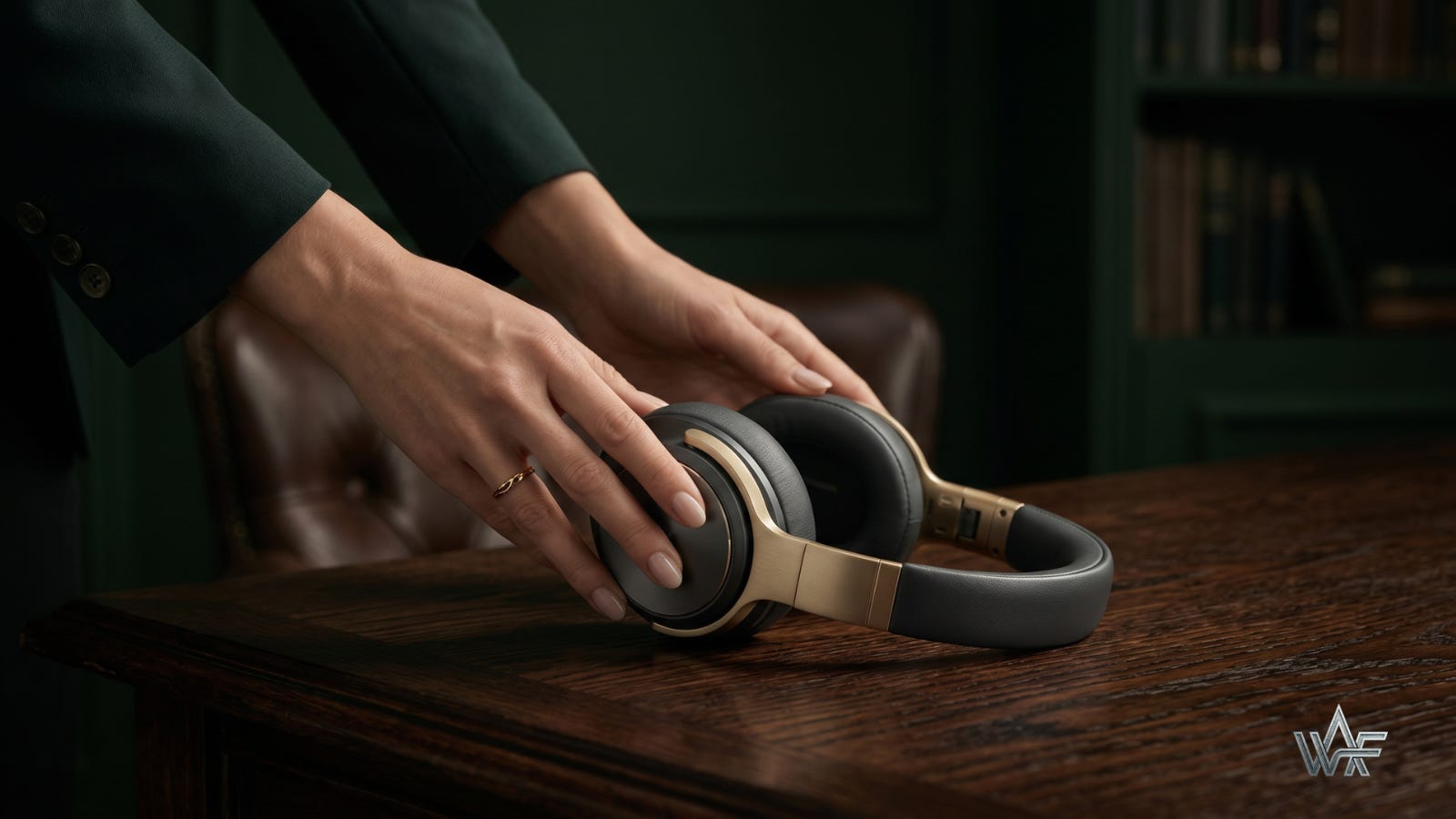
How do we live and negotiate in a world where everyone is wearing different headphones?
When you find yourself in the epicenter of a fight, a misunderstanding, or deep resentment, take three steps:
1. Take Off Your Headphones (Acknowledge Your Own Illusion) In the heat of an argument, force a pause. Take a deep breath and silently tell yourself: “What I am feeling right now is not the absolute, objective truth. It is simply my soundtrack. My brain is currently coloring reality with my own fears, my own triggers, or my own fatigue.” This single act of radical honesty will instantly lower the boiling point of your anger.
2. Ask What’s Playing in Theirs (Choose Curiosity Over Defense) Instead of shouting, “You are wrong!”, ask the one question that changes the rules of the game: “Help me understand how you see this. What exactly did you hear in my words just now?” A genuine desire to explore someone else’s map of reality is incredibly disarming. People instantly drop their shields when they realize they are not being attacked, but studied with care.
3. Focus on the Shared Screen (Move Toward Solutions) You do not have to agree with the other person’s music. You don’t have to love the comedy if you are feeling the thriller. The essence of a healthy relationship is not about ensuring your soundtracks match perfectly. It is about agreeing on what to do with the undeniable facts on the screen. Say: “I understand now. You see this as me being controlling, while I see it as me being caring. We are experiencing this entirely differently. But the fact remains that we need to make a decision. How do we move forward right now so that we both feel secure?”
We live on a fragile planet where billions of people are simultaneously watching the exact same film while listening to wildly different music. The greatest intellectual luxury you can afford is to stop arguing over genres.
Save your vital energy. And the next time someone near you suddenly gets angry over nothing or desperately tries to prove their point, just smile softly to yourself and wonder:

“I wonder what kind of complex, heavy music is playing in their headphones right now?”
— The Editorial Board, Institute of Wellness & Performance Architecture (IWPA)