

The Art of Letting Go: A 4-Step Protocol to Unclench Your Soul 🕊️
Why holding onto pain burns more energy than releasing it. A guide to emotional freedom.

Note: 🌅 This essay is part of the Project Aurora series by IWPA.
We spend our lives holding on.
We hold onto old grudges. We hold onto worries about the future. We hold onto the guilt of yesterday. We think that if we hold tight enough, we can control reality.
Imagine holding a pen in your hand. Squeeze it as hard as you can. After a minute, your hand will start to ache. After an hour, it will go numb. This is what most of us do with our emotions. We live with a permanently clenched fist.
At IWPA, we believe that Resilience is not about holding on; it is about the capacity to let go.
Today, we are sharing one of the most powerful tools in our library:
The Sedona Method.
It is a simple, 4-step cognitive protocol to unclench your soul and free up your energy.
The Illusion of Control 🧱
Why do we hold onto pain? Because the mind believes that worrying is a form of working. “If I worry about this meeting, I am preparing for it.” “If I stay angry at him, I am protecting myself.”
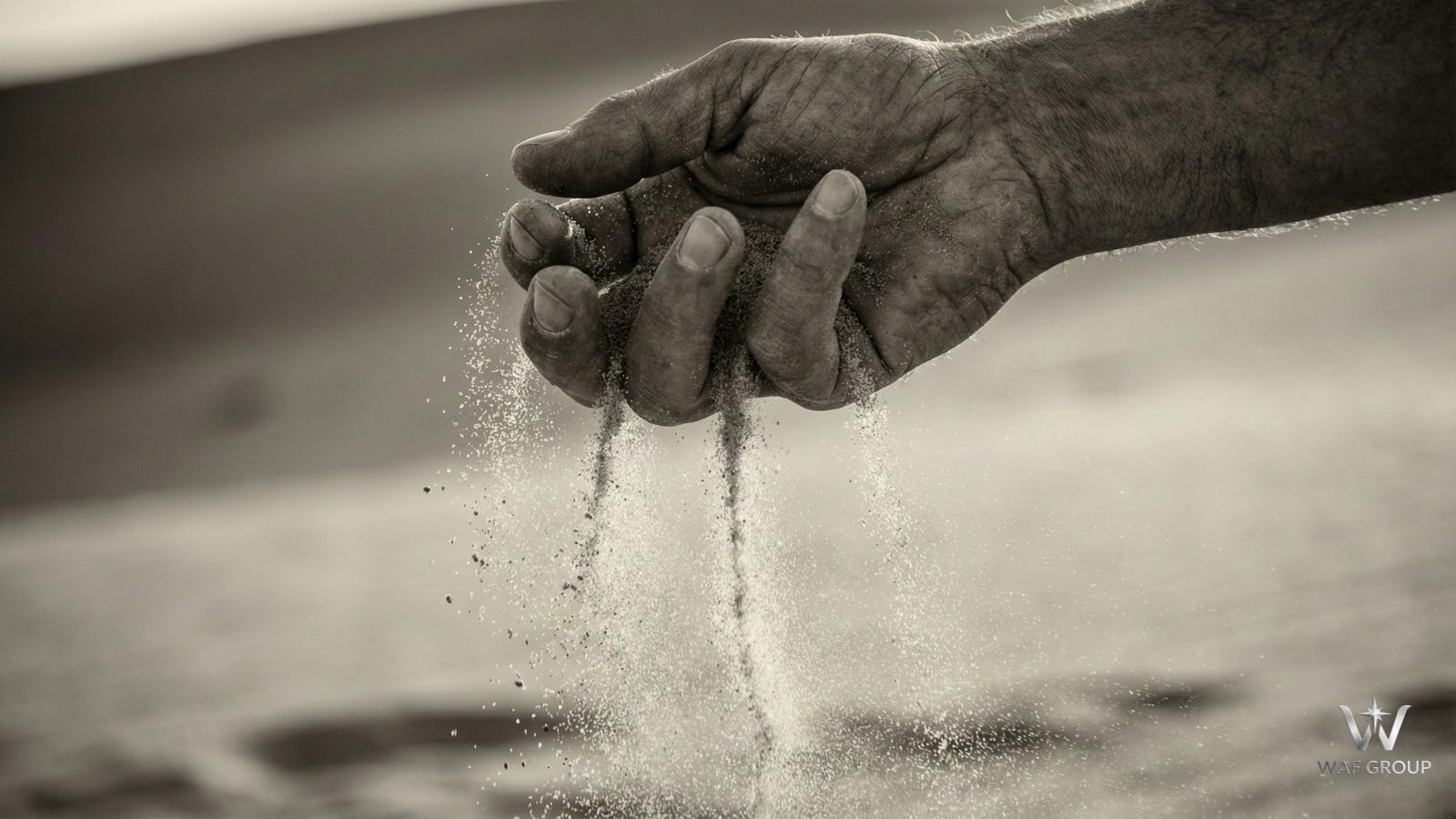
But emotions are not shields. They are just energy. When you suppress them or cling to them, you stop the flow. You become a dam, holding back a river of pressure.
The goal of the Sedona Method is not to “fix” the feeling or “analyze” it. The goal is simply to open the dam.
The 4 Questions Protocol
You can do this anywhere: in a taxi, before a meeting, or lying in bed. Bring a difficult emotion to mind (anger, fear, sadness). Feel it fully. Don’t push it away.
Then, ask yourself these 4 questions. Answer honestly (Yes or No — both are fine).
1. Could I let this go? This is a question of possibility. Can you physically drop a pen? Yes. Can you emotionally drop a feeling? Yes. It is possible. (Even if you answer “No”, go to the next question).
2. Would I let this go? This is a question of willingness. Do you prefer to be right, or do you prefer to be free? Is this heavy feeling serving you? Would you like to feel lighter?
3. When? This is an invitation to the present moment. You can let it go tomorrow, in ten years, or... right now. Ideally, the answer is: “Now.”
4. The Release Visualize the clenched fist of your mind opening. Imagine the emotion drifting away like a cloud or smoke. Breathe out.

Repeat Until Clear 🌬️
You might need to ask these questions 5 times, or 10 times. Each time, you peel away a layer of the onion.
“Could I let it go?”
“Would I?”
“When?”
Suddenly, you will feel a physical shift. A lighter chest. A deeper breath. The realization that you are not your emotions. You are the sky; the emotions are just the weather.
The Soft Life Perspective
In a world that tells you to “fight” for everything, letting go feels counter-intuitive. It feels like losing. But actually, surrender is a power move.
When you let go of the need to control, you gain the freedom to create. You stop using your energy to hold the dam, and you start using it to power your life.
Unclench your hands. The world will catch you.
Stay soft, IWPA Editorial Team
🎁 Deepen Your Practice
Letting go is a muscle. To help you train it, we have included this technique in our foundational guide.
Download “The Inner Core Blueprint” to access the full toolkit for emotional stability.
Interesting