

Panic Attacks 101: It’s Biology, Not Madness 🧠
You feel like you are dying. But you aren't. Your body is just trying to save you from a tiger that isn't there.

🌅 This essay is part of the Project Aurora series by IWPA.

It starts out of nowhere.
Maybe you are driving to a meeting. Maybe you are in a supermarket. Or maybe you are just lying in bed. Suddenly, your heart starts pounding like a drum. Your chest tightens. You can’t get enough air. The room starts to spin.
A terrifying thought grips your mind: “I am having a heart attack” or “I am going crazy.”
If this has happened to you, you know the absolute terror.
But here is the truth that we at IWPA want you to know:
You are safe. Your body is not broken. In fact, your body is working too well.
Today, we are demystifying the Panic Attack. We are taking away its power by understanding its biology.
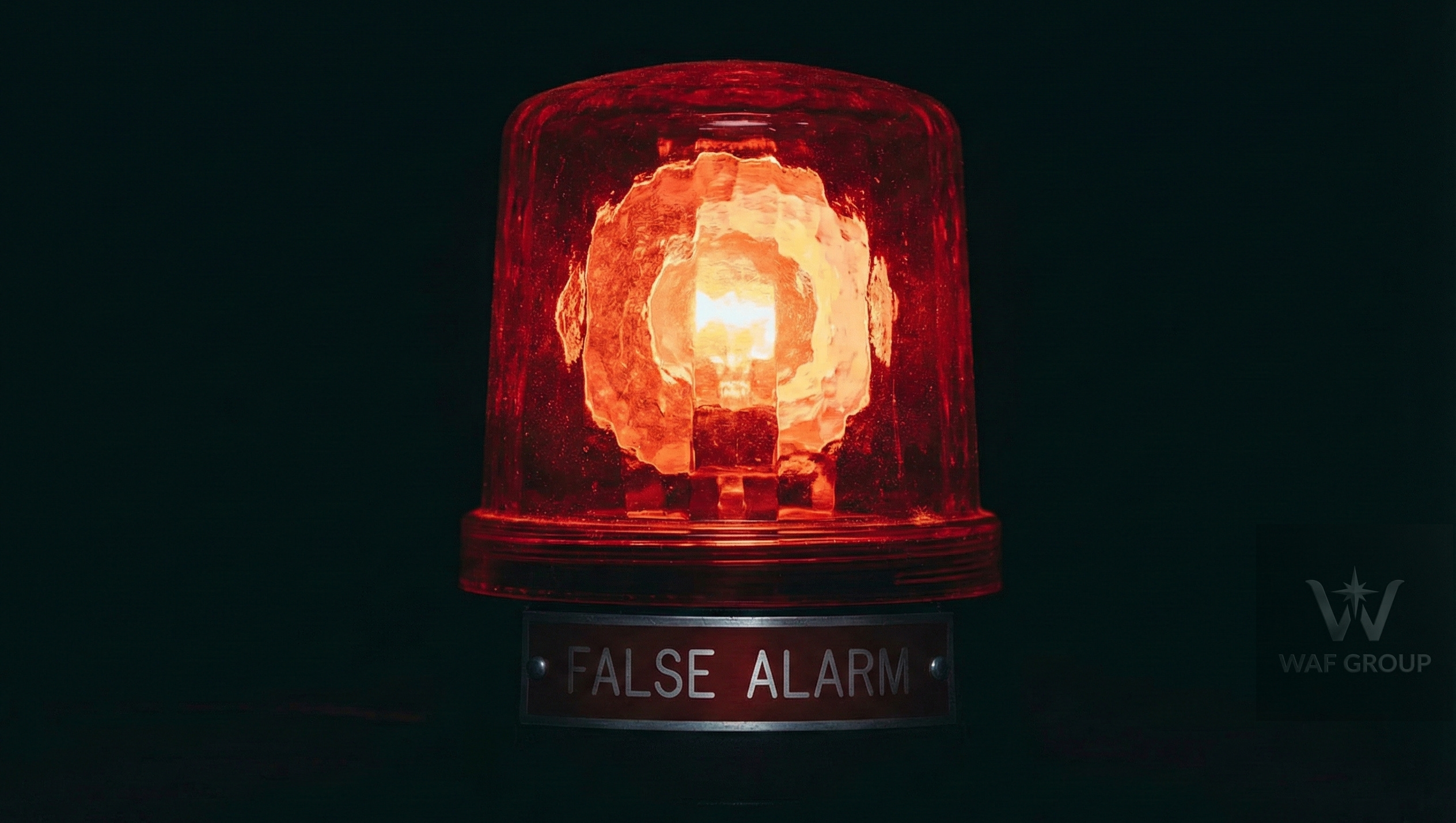
The False Alarm 🚨
Imagine you have a very expensive, high-tech fire alarm in your house. Its job is to detect smoke and save your life. One morning, you burn a piece of toast. A tiny wisp of smoke rises. Suddenly—SCREAMING SIRENS. WATER SPRINKLERS. FLASHING LIGHTS.
Is the house on fire? No. It’s just toast. Is the alarm broken? No. It did exactly what it was designed to do—it reacted to a signal.
A panic attack is a healthy fire alarm reacting to burnt toast.
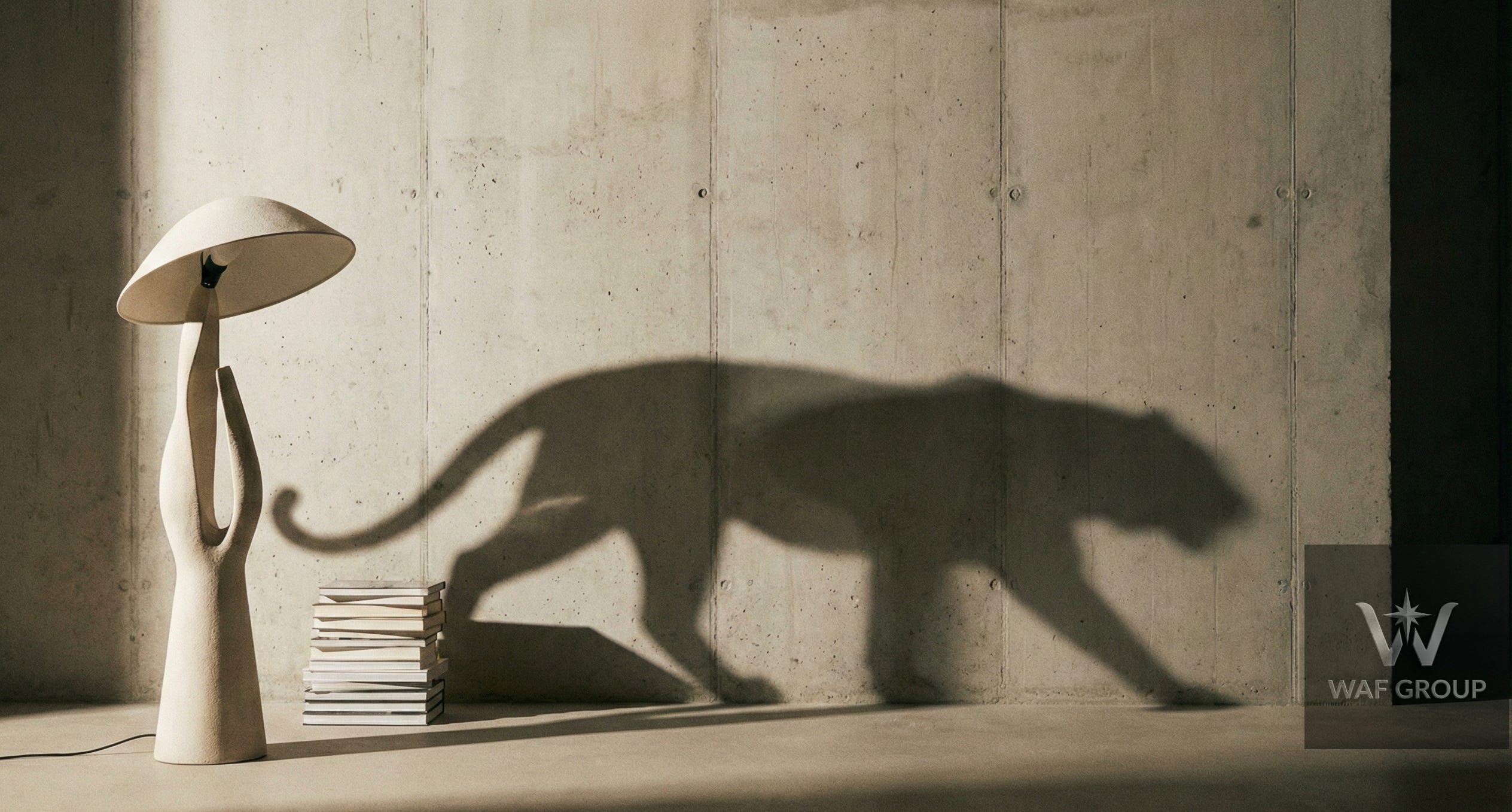
Your Amygdala (the ancient part of the brain) detected “danger” (stress, caffeine, a thought).
It dumped a bucket of adrenaline into your blood to help you run from a tiger. But there is no tiger.
So you are sitting in a chair with enough energy to run a marathon, and nowhere to put it.
That energy turns into panic.

How to Turn Off the Siren ⚓️
You cannot “think” your way out of a panic attack. Logic doesn’t work when the alarm is ringing. You must use biology to hack biology.
Here are 3 emergency protocols from the IWPA Toolkit.
1. The Ice Dive (The Mammalian Dive Reflex) ❄️
This is the fastest way to reset your nervous system.
Action: Splash ice-cold water on your face (or hold an ice cube in your hand until it hurts slightly).
The Science: Your body thinks you are diving underwater. It instantly slows your heart rate to conserve oxygen. It is a biological override switch.
2. The 5-4-3-2-1 Grounding Technique 🌳
Panic pulls you into your head. You need to come back to the physical room. Find and name:
5 things you can see.
4 things you can touch (feel the fabric of your chair).
3 things you can hear.
2 things you can smell.
1 thing you can taste.
3. Box Breathing 📦
Adrenaline makes you breathe fast. Controlled breathing tells your brain: “If I can breathe slowly, the tiger must be gone.”
Inhale for 4 seconds.
Hold for 4 seconds.
Exhale for 4 seconds.
Hold for 4 seconds.
The “Adrenaline Hangover” 🕯️
After the panic passes, you will feel exhausted. You might want to sleep for 10 hours. This is normal. You just ran a chemical marathon.
Please, do not judge yourself for being tired. Do not ask, “What is wrong with me?” Instead, treat yourself like you are recovering from a flu. Warm tea. Blankets. Silence.
Panic is not a sign of weakness. It is often a sign that you have been trying to be “strong” for too long.
You are safe. You are here.
Stay soft, IWPA Editorial Team

🎁 Build Your Inner Core
Panic feeds on insecurity. Building a strong inner foundation helps turn down the volume of fear.
Download our free guide “10 Journaling Prompts for Resilience”. It’s a tool to get the scary thoughts out of your head and onto paper.