

Etiquette is Not Snobbery: The Modern Language of Respect 🏛️
Why good manners are not about choosing the right fork, but about creating psychological safety in a chaotic world.

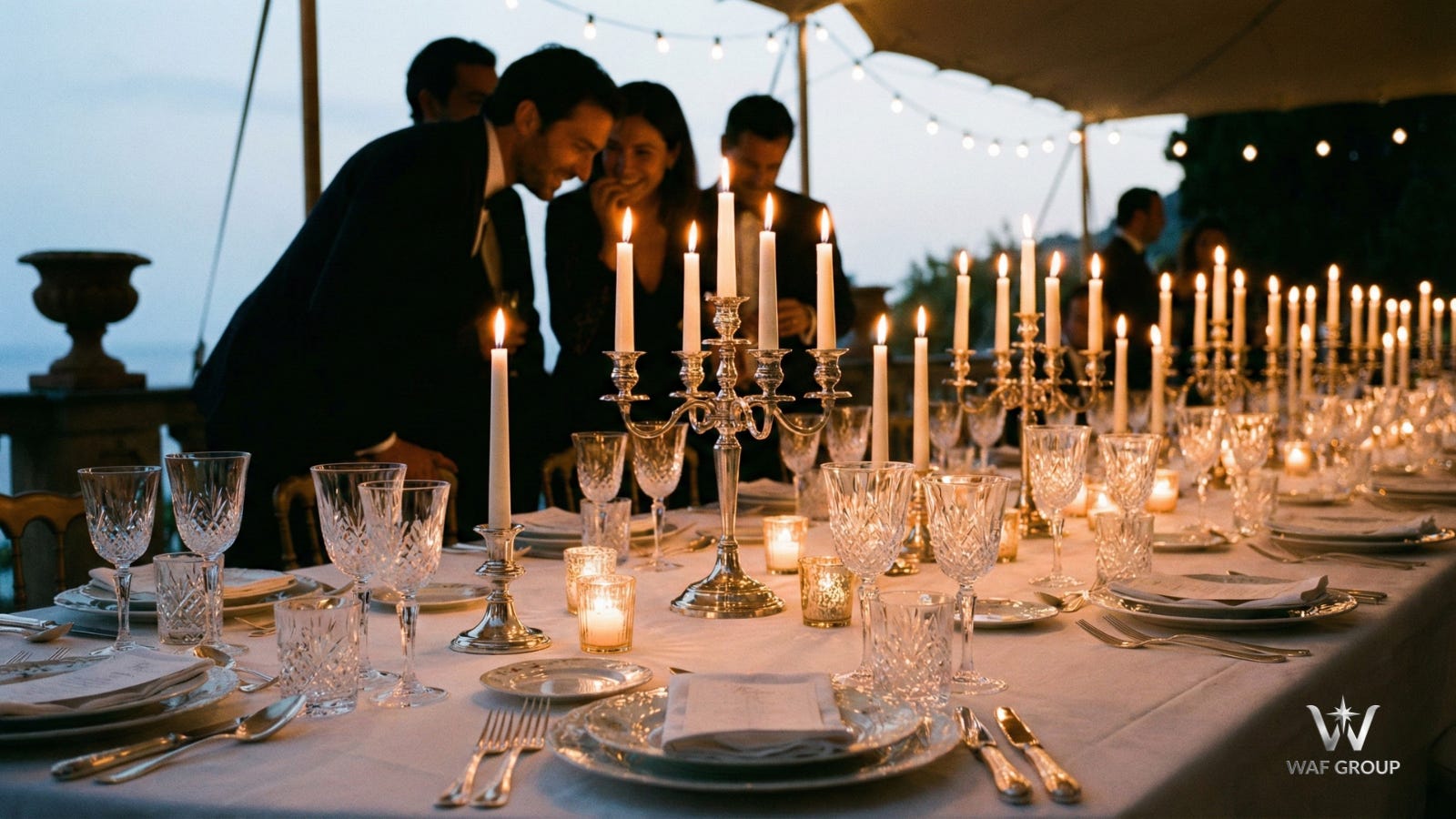
Note: 🏛 This essay is part of the Heritage & Protocol Academy (HPA) series, published every fourth week to focus on Social Grace, Protocol, and the Art of Living.
When you hear the word “Etiquette,” what comes to mind?
For many, it paints a picture of rigid rules, stiff posture, and a judgmental atmosphere. It feels like an exam where you are constantly terrified of using the wrong fork or saying the wrong word. It feels like a tool designed to keep people out.
At the Heritage & Protocol Academy (HPA), we want to completely dismantle this myth.
Etiquette, in its truest and highest form, is the exact opposite of snobbery. Snobbery is designed to make people feel small. True elegance is designed to make people feel big.
The Illusion of “Being Yourself”
Modern culture constantly tells us to “just be yourself” and “act naturally.” But in a professional or social setting, completely unfiltered behavior often creates friction. When there are no rules, people have to constantly guess: How do I greet them? Where do I sit? Who speaks first?
This guessing game creates low-grade social anxiety.
Protocol and etiquette were not invented to restrict your freedom. They were invented to reduce cognitive load. When everyone knows the basic script of a social interaction, the anxiety drops. You don’t have to think about the mechanics of the interaction; you can simply focus on the human being in front of you.
Etiquette is the architecture of psychological safety.
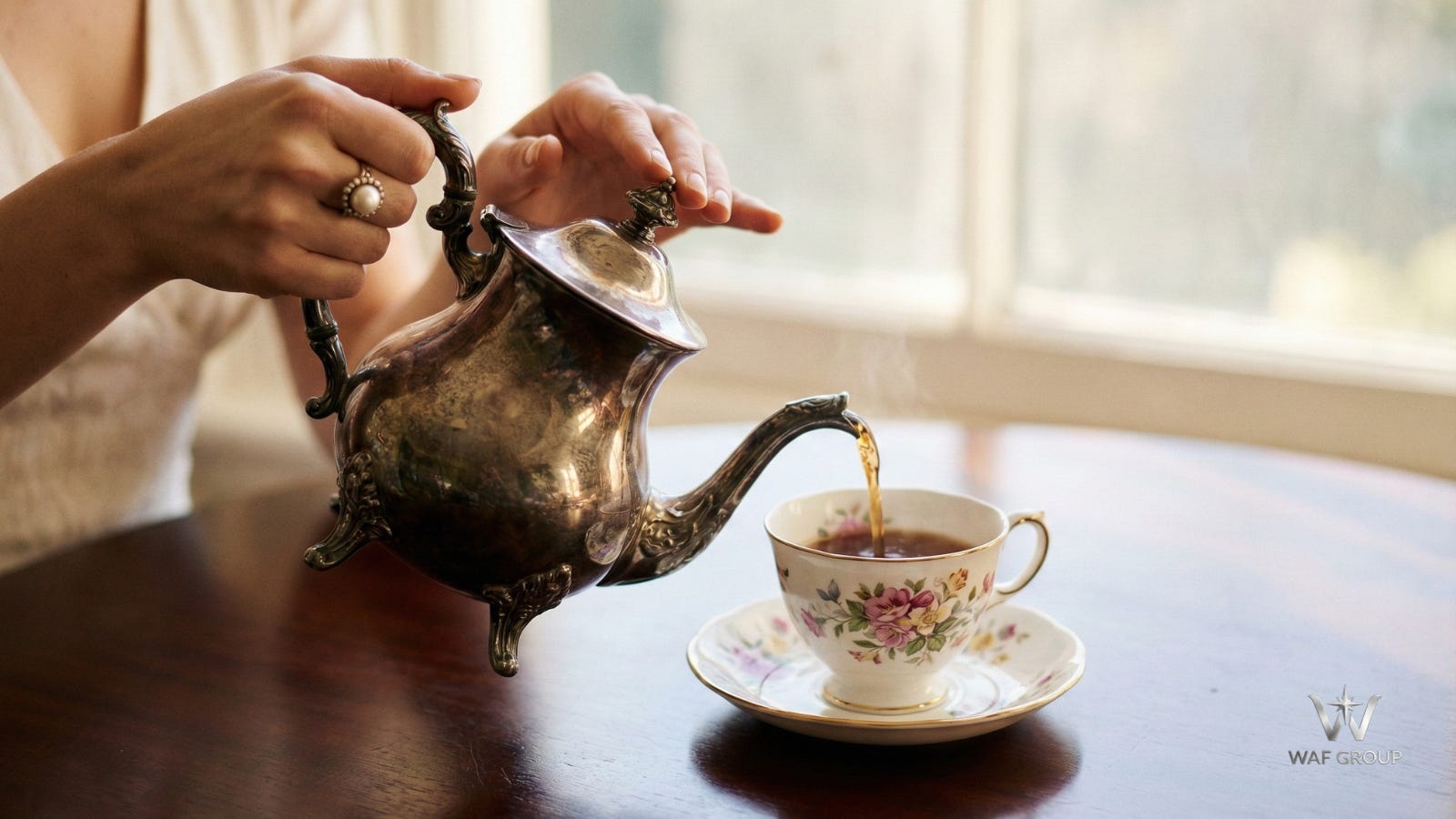
The Three Pillars of Modern Protocol
Forget the 18th-century rules about corsets and curtsies. Modern protocol rests on three timeless pillars that you can apply immediately:
1. Predictability as a Luxury In a chaotic, unpredictable world, being a predictable person is a luxury to those around you. Arriving on time, doing what you said you would do, and responding gracefully. You become a safe harbor in someone else’s storm.
2. The Shift from “Me” to “You” Anxiety makes us self-obsessed: “How do I look? What do they think of me?” Etiquette shifts the focus outward: “How can I make the person next to me feel more comfortable? Is their glass full? Are they included in the conversation?” When you focus on making others comfortable, your own social anxiety disappears.
3. Frictionless Exits and Entrances The hallmark of social grace is how you enter a room and how you leave a conversation. It is the ability to introduce two strangers so they instantly find common ground, or the ability to gracefully end a conversation at a networking event without making the other person feel abandoned.
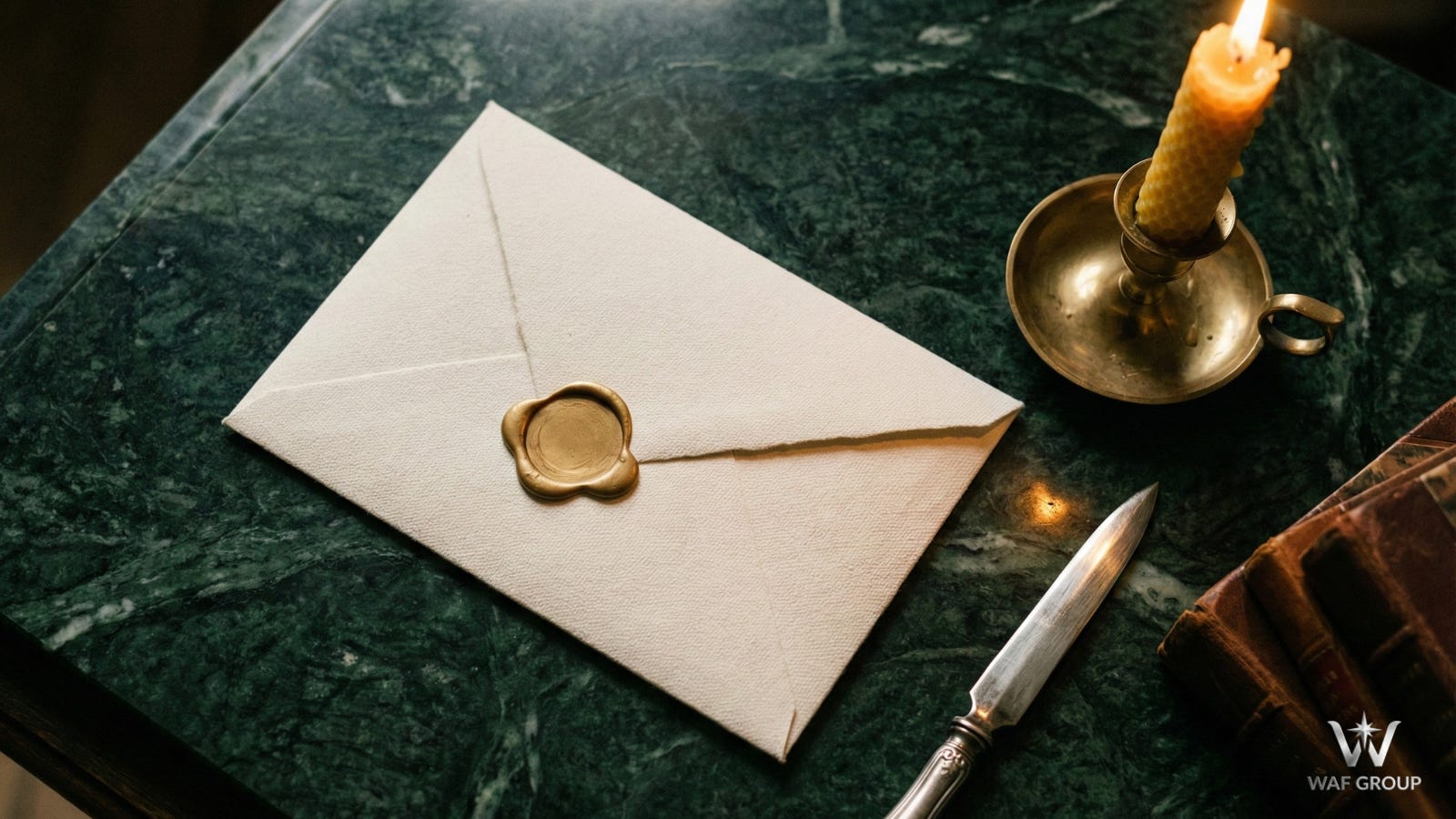
The Canvas and the Frame
We often talk about the necessity of having two wings: the Inner World and the Outer World.
If your Inner Core (Psychology & Strategy) is the painting, then Protocol (Etiquette) is the frame. A masterpiece without a frame cannot be hung in a gallery. It cannot be properly shared with the world.
We do not learn protocol to build walls between us and “ordinary” people. We learn protocol to build bridges. We learn it to navigate any room—from a casual coffee shop to a royal dining hall—with quiet confidence and deep respect for the people around us.
Welcome to the Heritage & Protocol Academy. Let us elevate the standard, together.
— The HPA Editorial Board
🎁 Practice the Art
Protocol begins at home. To help you master the fundamentals of creating a welcoming space, we invite you to read our foundational guide, “The Art of Hosting.”
It contains 7 Golden Rules of modern protocol to make you the perfect host (and the perfect guest).